
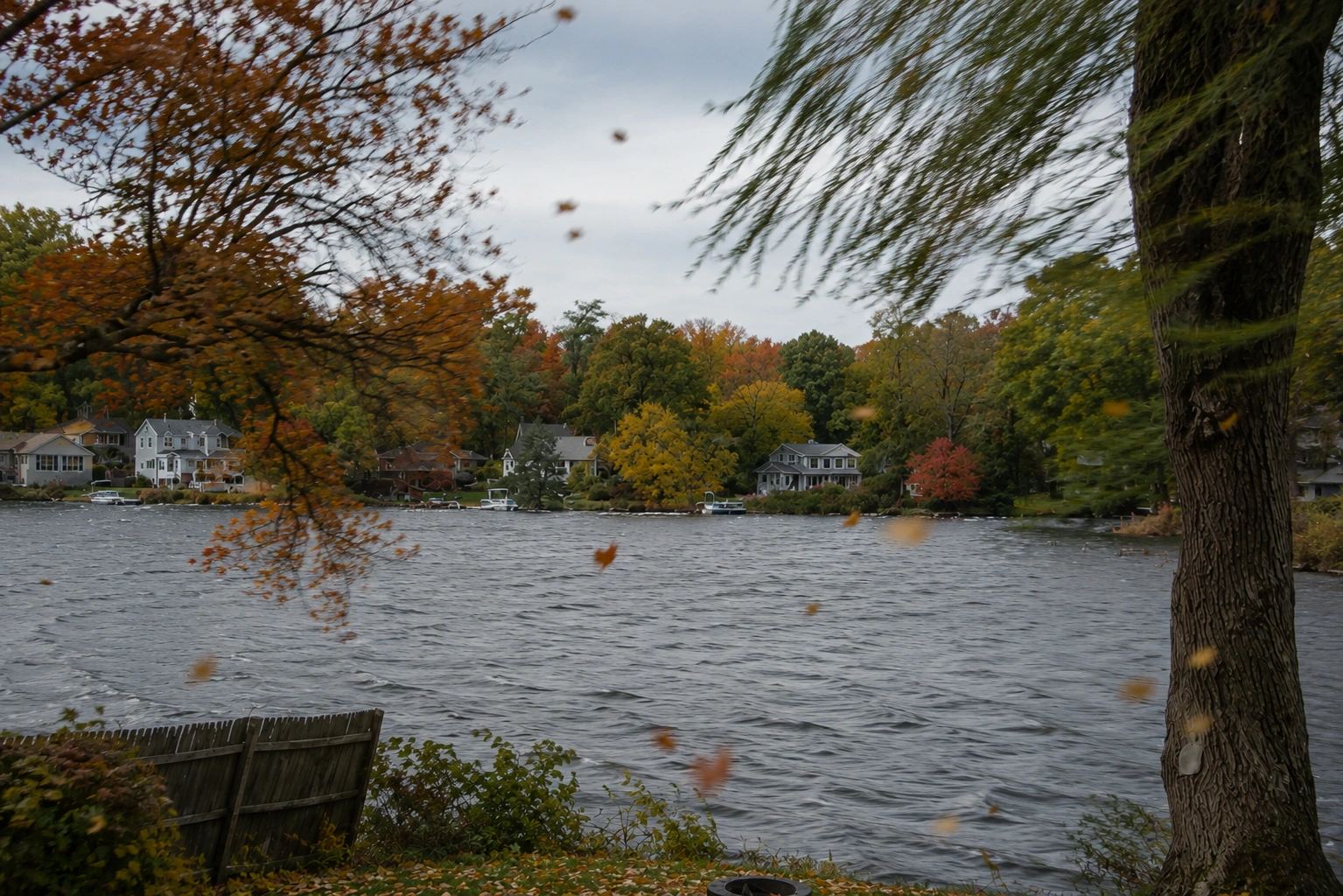
As the leaves begin their colorful transformation across Lynnfield, Massachusetts, it's the perfect reminder that your home's plumbing system needs seasonal attention too. Just like the maple trees in our neighborhoods prepare for winter's harsh conditions, your pipes, water heater, and gas valves require specific maintenance to ensure they perform reliably through New England's unpredictable weather patterns.
At Jeneral Plumbing, we've seen firsthand how a little preventive care in October and November can save homeowners thousands of dollars in emergency repairs during those frigid February nights when temperatures plummet below zero.
Why Fall Maintenance Matters More in Massachusetts
Massachusetts homeowners face unique challenges that make seasonal plumbing maintenance absolutely critical. Our climate swings from humid summers reaching the 90s to winter temperatures that can drop to -10°F or lower. This extreme temperature variation puts tremendous stress on plumbing systems, causing materials to expand and contract repeatedly.
The frost line in our area sits approximately 4 feet below ground, which means any exposed pipes or inadequately insulated systems become vulnerable to freezing. According to the Department of Energy, water heating accounts for about 18% of home energy use, making fall maintenance not just about preventing damage—it's also about maximizing efficiency during the months when your system works hardest.
Your Complete Fall Plumbing Maintenance Timeline
Early October Tasks (Before First Frost)
Start with your outdoor systems while temperatures remain above freezing. Disconnect and drain all garden hoses, then shut off water supply to exterior spigots. Many Lynnfield homes built before 1990 have older-style outdoor valves that lack freeze protection, making this step absolutely essential.
Inspect your gas line valves, particularly if you have outdoor grills or heating equipment. During a recent service call, our technician discovered a customer's gas valve had internal wear that caused inconsistent flow—a problem that could have become dangerous during heavy winter usage. Modern code-compliant valves include safety features like removable handles and lock options, especially important for families with children.
Mid-October Focus (Water Quality and Testing)
The EPA sets legal limits for over 90 contaminants in drinking water, but seasonal changes can affect your home's water quality. Fall is the ideal time to test your water, especially if you have a private well. The Water Quality Association recommends testing private well water at least annually, and autumn testing gives you time to address any issues before winter weather makes repairs more challenging.
Check your water pressure throughout the house. Reduced pressure often indicates sediment buildup in pipes or fixtures—a problem that worsens during winter when heating systems circulate more frequently.
Late October Through November (System Optimization)
This period focuses on your water heating system and interior plumbing. Drain a few gallons from your water heater tank to remove sediment that accumulated over the summer months. Sediment reduces efficiency and can cause premature failure, particularly problematic when replacement parts become harder to obtain during winter storms.
Inspect all visible pipes in basements, crawl spaces, and unheated areas. Look for signs of corrosion, small leaks, or inadequate insulation. Even minor drips become major problems when temperatures drop and pipes freeze.
Common Mistakes That Cost Lynnfield Homeowners
The "It Worked Last Year" Trap
Many homeowners assume that because their system survived previous winters, it will automatically handle another season. This thinking ignores the cumulative wear that occurs over time. Valve mechanisms, pipe joints, and water heater components deteriorate gradually, often failing during peak demand periods.
Incomplete Winterization
Shutting off outdoor water is just the first step. Failing to drain lines completely leaves water trapped in pipes, where it can freeze and cause expensive damage. We've responded to numerous emergency calls where homeowners thought they had properly winterized their systems, only to discover frozen pipes in February.
Ignoring Gas System Components
Gas valves and connections require seasonal attention, particularly in homes with outdoor equipment. Temperature fluctuations affect valve seals and connections. Modern code-compliant valves offer enhanced safety features, but only when properly maintained and functioning correctly.
DIY Repairs on Critical Systems
While homeowners can handle basic maintenance tasks, attempting repairs on gas lines, water heaters, or main water lines often creates bigger problems. Professional diagnosis ensures safety and proper code compliance, particularly important for insurance coverage during winter emergencies.
The Health and Safety Connection
According to the CDC, properly maintained water systems reduce waterborne illness by up to 90%. Fall maintenance isn't just about preventing frozen pipes—it's about ensuring your family has access to clean, safe water throughout the winter months when ventilation decreases and indoor air quality becomes more critical.
Proper gas system maintenance prevents carbon monoxide risks, particularly important as homes become more tightly sealed for winter heating efficiency. Even small gas leaks become dangerous when combined with reduced ventilation and increased heating system usage.
Professional Services That Make the Difference
While homeowners can handle basic tasks like disconnecting hoses and checking visible pipes, professional seasonal maintenance provides comprehensive system evaluation that prevents major problems.
Professional plumbers identify issues that aren't visible to homeowners. Internal valve wear, early signs of pipe corrosion, and water heater inefficiencies often develop gradually, becoming apparent only when examined with proper tools and experience.
Code compliance represents another critical advantage of professional service. Massachusetts plumbing codes evolve regularly, and professional maintenance ensures your systems meet current safety standards. This compliance becomes particularly important for insurance claims and home sales.
Investment Protection Through Prevention
Consider the mathematics of preventive maintenance versus emergency repairs. A comprehensive fall plumbing inspection and maintenance service typically costs $200-400. Compare this to emergency winter repairs: frozen pipe repair averages $1,500-3,000, water heater replacement during peak season runs $2,500-4,000, and gas line emergency repairs can exceed $5,000.
Beyond immediate costs, preventive maintenance extends system lifespan. Water heaters properly maintained last 12-15 years versus 8-10 years without regular service. Pipe systems with proper seasonal care avoid premature replacement, saving thousands in renovation costs.
Ready to Protect Your Home?
Don't wait for the first hard freeze to discover your plumbing system's vulnerabilities. Jeneral Plumbing's comprehensive fall maintenance service ensures your home is prepared for whatever New England winter throws your way.
Our family-owned company understands the specific challenges Massachusetts homeowners face. We provide detailed diagnostics, code-compliant repairs, and one-year warranties on our work. From gas valve safety upgrades to water heater optimization, we handle every aspect of seasonal preparation with the expertise that comes from generations of local plumbing experience.
Call Jeneral Plumbing (978) 392-7789 or schedule your seasonal maintenance service today. We proudly serve homeowners throughout Lynnfield, Westford, Chelmsford, Groton, Pepperell, Billerica, Acton, Concord, and surrounding Middlesex County communities, providing trusted plumbing maintenance, water heater service, gas line inspection, frozen pipe prevention, and emergency plumbing repairs to keep your home safe and comfortable throughout the winter.
Written by Sierra Sorongon.
This article was drafted with AI writing tools from Jeneral Plumbing job notes and source materials, then edited before publication. AI tools did not inspect the job or validate technical conclusions.
Last updated .