Professional Leak Detection Service in Acton, MA

Professional Leak Detection Service in Acton, MA

Jeneral Plumbing

Plumbing

When a homeowner in Acton called Jeneral Plumbing the day before a major event, they expected us to fix one faucet. What our team found instead was a cascade of interconnected plumbing issues — the kind that a professional leak detection service is specifically designed to uncover. From a Delta cartridge leak to a phantom-flushing toilet, a seized frost-free hose bib, pressure reducing valve concerns, and a missing outdoor water connection, this visit turned into a master class in whole-home plumbing awareness. If you've ever thought, "I'll just deal with it later," this post is for you.

Process Photo

A Faucet With No Hot Water

The initial complaint was straightforward — a faucet that wasn't producing hot water. In many cases, homeowners assume the worst: a failed water heater, a broken mixing valve, or a major pipe problem. But sometimes, the answer is much simpler.

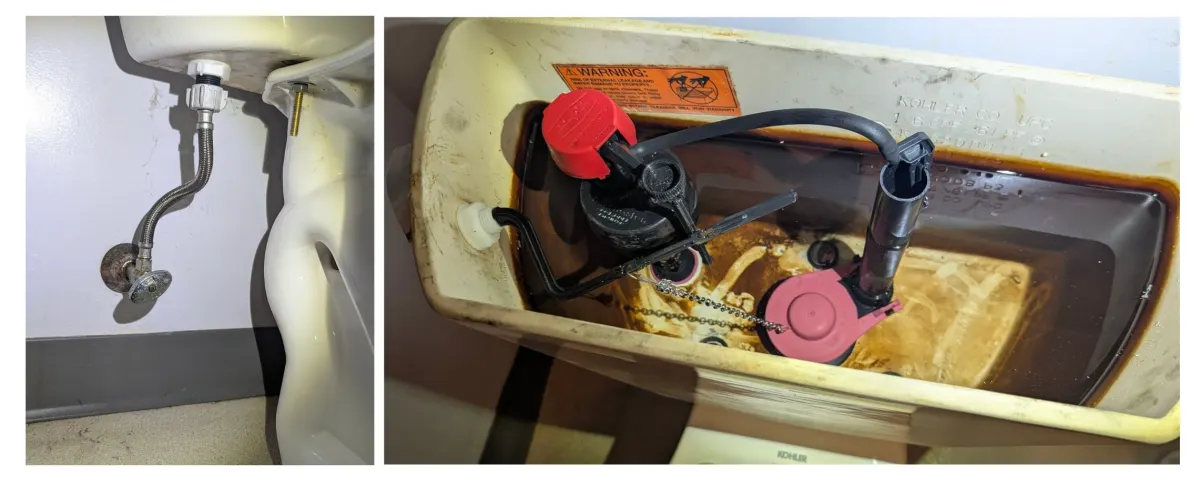
When the Jeneral Plumbing technician arrived and investigated, the hot water shutoff valve beneath the fixture had been manually closed. Why? Because the faucet was actively leaking. The previous occupant or homeowner had turned the valve off as a temporary fix to stop the leak — and then simply left it that way.

The underlying cause: a worn Delta cartridge. Delta faucets use a cartridge-based system inside the valve body to control hot and cold water flow. When that cartridge deteriorates — which it will over time due to mineral buildup, wear, and water pressure — it starts leaking. The fix isn't complicated, but it does require the right replacement cartridge and proper installation to ensure a watertight seal.

Actionable tip: If you've ever turned a shutoff valve under a sink or behind a wall to stop a drip, don't consider that problem solved. That valve is doing the work your cartridge or washer should be doing — and eventually, something's going to give.

Professional Leak Detection Service Finds the Second Leak — Upstairs

After addressing the downstairs issue, the homeowner mentioned a second leaking faucet upstairs. True to the classic plumbing experience, it wasn't leaking when the Jeneral Plumbing technician first looked — right up until it was.

The diagnosis? The exact same issue: another failing Delta cartridge in the shower valve. This home, like many in Acton and the surrounding area, was experiencing the natural aging of its plumbing fixtures simultaneously — a pattern we see frequently.

The homeowner also mentioned the handle felt "spongy" and moved around more than it should. This is a red flag. Shower handles should feel firm and deliberate. A loose, spongy handle often indicates that the escutcheon plate or the valve stem itself has become loose, which can allow water intrusion behind the wall over time — one of the more hidden ways homes end up springing leaks inside the wall cavity.

Actionable tip: Do a quick handle check in every shower and tub. Grab the handle and gently try to wiggle it. It should have virtually no play. If it moves, have it inspected before water finds its way somewhere it shouldn't.

The Phantom-Flushing Toilet: What's Actually Happening

Completed Photo

The homeowner described their toilet as "phantom flushing" — randomly cycling and refilling on its own without anyone using it. They'd read it might need to be cleaned or have a part replaced, but hadn't had a chance to dig into it yet.

Phantom flushing is almost always caused by a failing flapper — the rubber seal at the bottom of the toilet tank that controls water flow into the bowl. When the flapper wears out or gets coated with mineral deposits, it no longer creates a watertight seal. Water slowly seeps from the tank into the bowl, the water level in the tank drops, and the fill valve kicks on to top it off. That's the "flush" sound you're hearing.

This is actually one of the most common — and most wasteful — plumbing problems in residential homes. A leaking flapper can waste hundreds of gallons of water per day without leaving a single visible drop on the floor.

Actionable tip: Put a few drops of food coloring in your toilet tank and wait 15 minutes without flushing. If color appears in the bowl, your flapper is leaking. A replacement flapper is an inexpensive put in toilet repair, but make sure you match the flapper to your specific toilet model — they're not all universal.

The Seized Frost-Free Hose Bib: Don't Force It, Replace It

Problem PhotoCompleted Photo

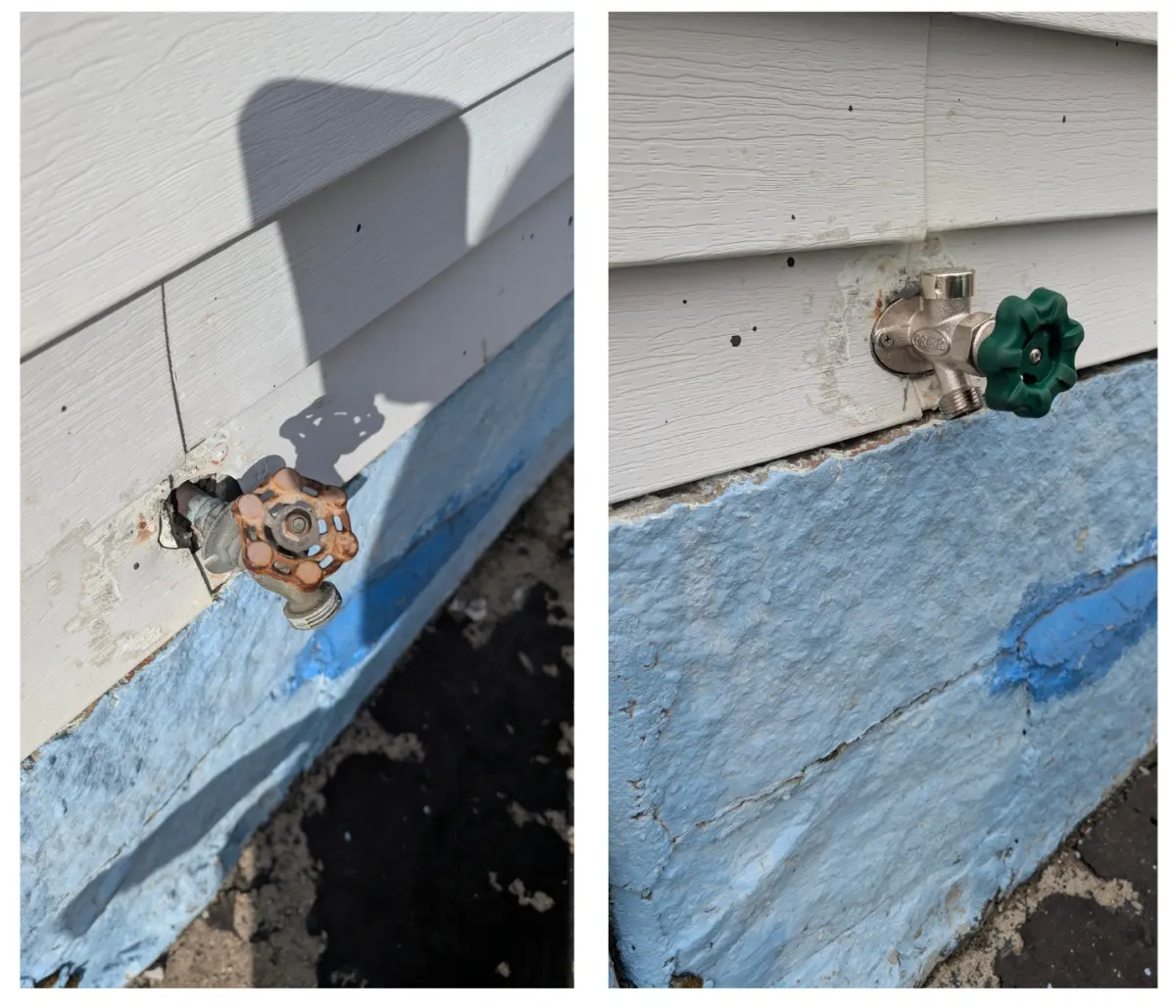
Outside the home, the team found a hose bib that had completely seized up. The homeowner's husband had tried lubricating it — first with WD-40, then with another product — but the spigot was stuck fast. Every time the outdoor faucet was turned on, it leaked badly.

The recommendation from the Jeneral Plumbing technician was clear: don't fight it. Cut it off and replace it with a new frost-free hose bib. The existing unit wasn't even properly mounted — there were no screws holding it in place — which means it had likely been that way for a while, potentially allowing cold air intrusion in the winter.

Frost-free hose bibs (also called frost-proof sillcocks) are the correct choice for New England homes. Unlike standard spigots, the actual shutoff point is located 6–12 inches inside the wall, in the heated portion of the house. This prevents the pipe from freezing during our cold Acton winters — a feature that's not optional up here.

The homeowner also asked about splitting the single hose bib to service both the front and back of the property. The Jeneral Plumbing technician explained that a simple Y-connector adapter can be added to the existing hose bib, allowing two hoses to run simultaneously with individual shutoff valves on each branch. No additional plumbing required for basic dual access.

Actionable tip: If your outdoor hose bib is difficult to turn, don't force it with tools or lubricants. Forcing a seized valve can crack the body or damage the pipe behind the wall. Call a plumber and have it replaced properly before it becomes an emergency — especially heading into spring planting season.

Water Pressure, PRVs, and What City Water Homeowners Need to Know

During the conversation about adding outdoor water access on the rear of the property, the homeowner raised a concern about water pressure — specifically whether pressure would be adequate to run a hose up to a deck level.

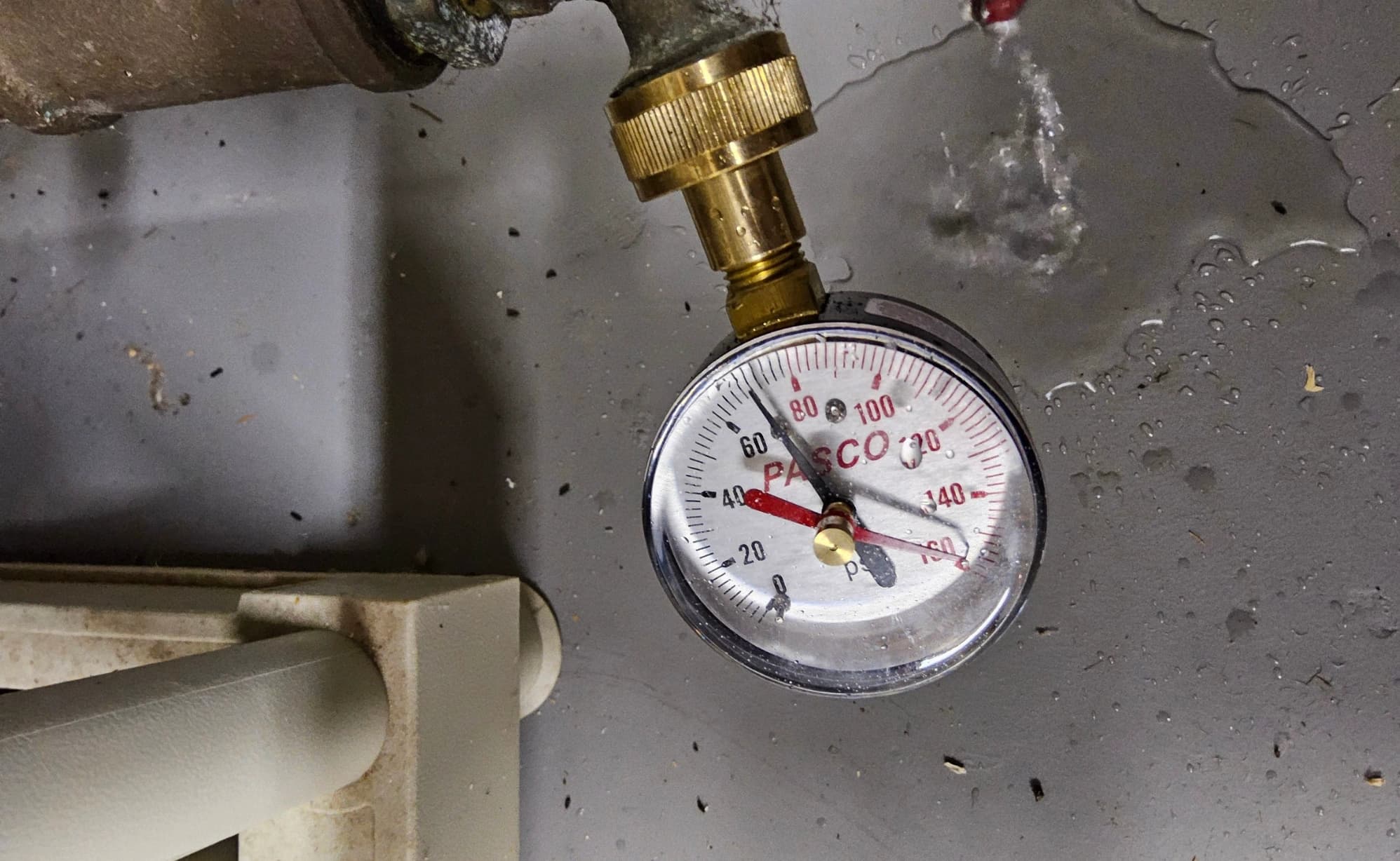
The Jeneral Plumbing technician explained that on city water in Acton, homes typically see 50–60 PSI or more at the meter. In fact, in many parts of town, the incoming pressure is actually too high — which is exactly why homes have pressure reducing valves (PRVs) installed. A PRV steps the incoming municipal pressure down to a safe, comfortable range for household plumbing (typically 50–80 PSI per code).

High water pressure is one of those silent problems that many homeowners in Chelmsford, Westford, and Acton don't realize they have. Over time, excessive pressure accelerates wear on cartridges (like the Delta ones we already discussed), stresses supply line connections, shortens the life of appliances, and contributes to — you guessed it — springing leaks.

A pressure test is a quick, inexpensive diagnostic that any plumber should offer during a service visit. If you've never had yours checked, it's worth asking about.

Actionable tip: You can purchase a simple water pressure gauge at any hardware store and attach it to an outdoor hose bib. A reading above 80 PSI means you should have a plumber evaluate your PRV — or install one if you don't have one.

The Missing Outdoor Water Connection: A Common Addition Problem

One of the more interesting discoveries during this visit was evidence of a missing outdoor water connection on the rear of the home. The house had undergone an addition at some point, and it appeared that an original hose bib on that side of the house had simply been capped off and buried during construction — never reconnected.

The Jeneral Plumbing technician spotted the old penetration hole and speculated — correctly, in many cases like this — that the supply line was likely still in place, just capped. If that's true, restoring outdoor water access to the back of the house could be a relatively straightforward job: locate the cap, connect a new frost-free hose bib, and seal the penetration properly.

This is a common scenario in homes across Westford, Groton, and Littleton where additions have been built over the decades. Contractors focused on the addition often don't think about restoring utility access points that get covered or cut off in the process.

Actionable tip: If your home has had any additions, renovations, or remodels, it's worth having a plumber walk the exterior and basement to look for capped or abandoned lines. You may have access to water, gas, or drain connections that could be easily restored — saving you the cost of running all-new pipe.

Key Takeaways

  • Delta cartridge failures are one of the most common causes of leaking shower and sink faucets. When a cartridge goes, water will find a way out — often leading someone to shut off a valve and forget about it.

  • Phantom flushing is almost always a flapper issue. It's cheap to fix but costly to ignore in terms of wasted water.

  • Seized outdoor hose bibs should be replaced, not forced. In New England, always replace with a frost-free model.

  • Water pressure matters — both too little and too much can cause problems. If you're on city water and have never had your pressure tested, schedule it.

  • Home additions often orphan plumbing. A walkthrough by a professional leak detection service can uncover connections you didn't know you had — or problems you didn't know were lurking.

  • Addressing multiple small issues at once is almost always more cost-effective than handling them one emergency at a time.

Frequently Asked Questions

How does a professional leak detection service differ from just calling a plumber for a repair?

A professional leak detection service is a systematic evaluation of your home's plumbing — not just a response to one symptom. A trained technician looks at how your entire system is performing: checking for hidden leaks, evaluating pressure, inspecting valves and fixtures, and identifying issues that haven't become emergencies yet. Think of it as a plumbing physical rather than a trip to urgent care. At Jeneral Plumbing, our technicians system during every visit, five separate issues from a single service call.

What is Jeneral Plumbing's approach to complete home system design?

When homeowners ask about Jeneral Plumbing complete home system design, they're usually thinking about adding new fixtures, rerouting water lines, or improving outdoor access — exactly the kind of planning that came up in this consultation. Our approach is always to work with what's already in the home first: identify existing lines, assess capacity and pressure, and find the most cost-effective path to the result you want. Full home system design is something we're happy to discuss during any service visit.

Does Jeneral Plumbing offer maintenance plans or service agreements?

We get questions about Jeneral Plumbing maintenance plans or contracts fairly often — especially from homeowners who've just gone through a multi-issue walkthrough like this one and realize they'd rather stay ahead of problems than react to them. Reach out to us directly at (978) 392-7789 to talk about what ongoing service options might make sense for your home's age, size, and history.

How do I know if my toilet is phantom flushing or has a more serious problem?

Phantom flushing — that random refilling sound — is almost always a leaking flapper. The food coloring test described above is a reliable DIY diagnostic. If color migrates from the tank to the bowl within 15 minutes without flushing, your flapper needs replacing. If the toilet is also running constantly, making gurgling sounds, or backing up, those symptoms point to something more involved and warrant a professional visit.

What's the right water pressure for a home on city water?

Most plumbing codes target a range of 50–80 PSI for residential supply. Below 40 PSI and you'll notice weak flow at fixtures and appliances. Above 80 PSI and you're accelerating wear on everything downstream — cartridges, washers, supply lines, and appliance connections. A pressure reducing valve (PRV) is the standard solution for homes with high incoming municipal pressure, and they're worth every penny in terms of the wear and damage they prevent over time.

Ready to Find Out What's Really Going On With Your Plumbing?

Whether you're in Westford, Groton, Acton, or anywhere in the surrounding Middlesex County area, the team at Jeneral Plumbing is ready to take a thorough look at your home's plumbing — not just the one thing that's bothering you today, but the full picture. We're a family-owned company, and we treat your home the way we'd want ours treated: honestly, carefully, and without unnecessary upselling.

Don't wait until a small leak becomes a flooded basement or a seized hose bib becomes a burst pipe. Call us at (978) 392-7789 to schedule a visit. We'll take care of whatever you've got — and we'll tell you straight what we find.

Related Topics:professional leak detection servicespringing leaksput in toiletDelta cartridgefrost-free hose bibpressure reducing valvephantom flushing

Dealing with this in your home? We can help.