
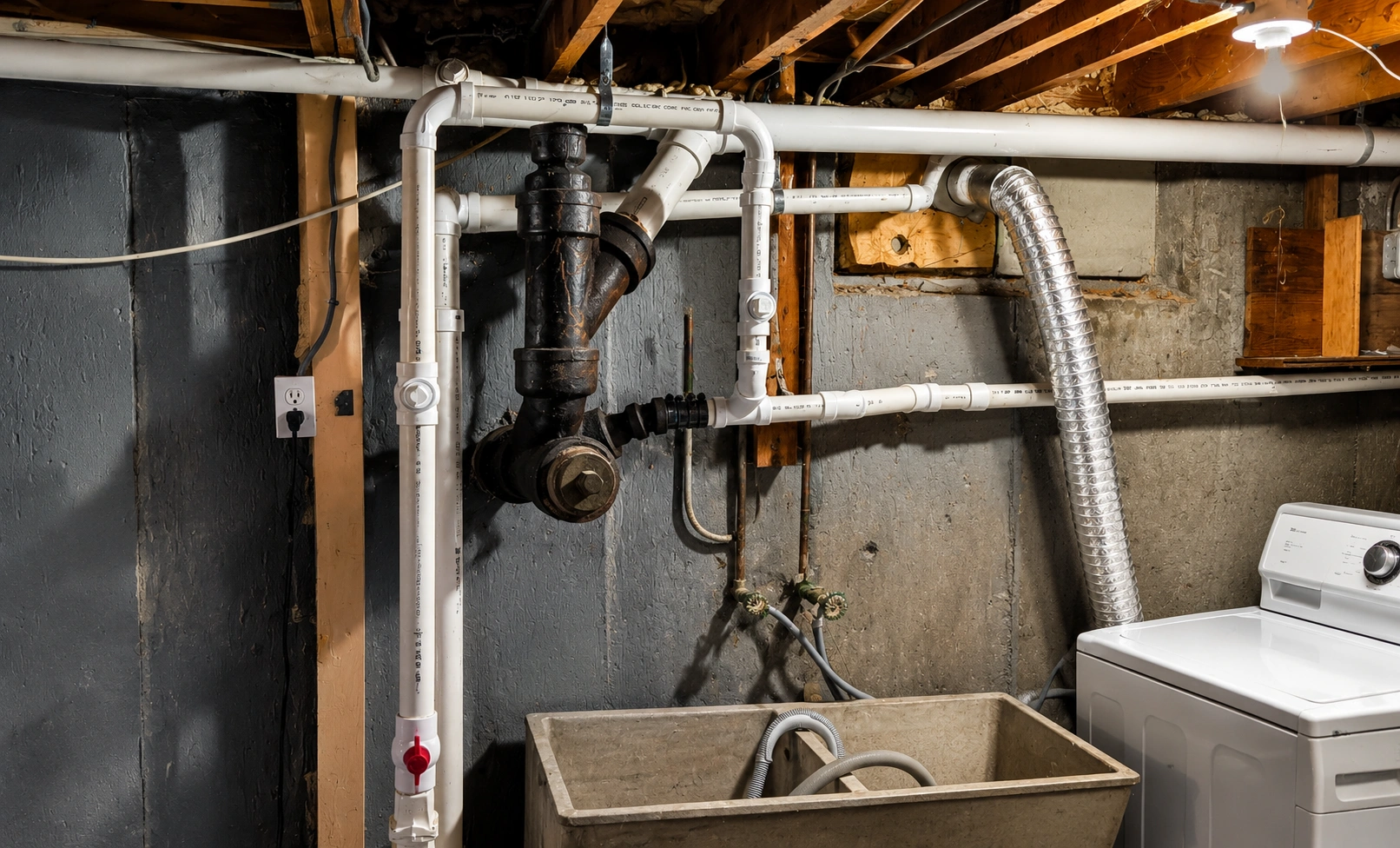
When homeowners in Arlington notice their drains gurgling, smell sewer gases, or experience slow drainage throughout their house, they often assume it's a simple clog. But what many don't realize is that these symptoms frequently point to a much more complex issue: a failing plumbing vent system. After three decades of serving Massachusetts families, we at Jeneral Plumbing have seen how vent problems can turn into costly nightmares when left unaddressed.
Your home's plumbing vent system is like the respiratory system for your drains – it allows air to flow properly so water can drain efficiently and prevents dangerous sewer gases from entering your living space. When this system fails, the consequences extend far beyond annoying sounds.
Understanding the Root Causes of Vent System Failures
The complexity of plumbing vents often leads to installation errors and maintenance oversights that create serious problems down the line. Let's break down the most common causes we encounter in Arlington homes.
Improper Wet Venting Installation
One of the most frequent issues we see stems from incorrect wet venting systems. Wet venting allows one drain line to serve as both a drain and a vent for multiple fixtures – think of a bathroom where the sink drain also vents the shower, toilet, and tub. However, this system requires precise sizing and installation.
The critical requirement for wet venting is maintaining at least a two-inch drain diameter. Why? Because sanitary drains are designed to run only one-third full, leaving crucial air space at the top. This air space prevents the gurgling sounds homeowners hate and ensures proper drainage flow. When contractors cut corners and use smaller pipes, or when the system isn't properly designed, that essential air space disappears.
We've found that many older homes in Arlington have wet venting systems that seemed adequate when installed but fail under modern usage patterns. Today's families use more water simultaneously – someone showering while the dishwasher runs and laundry is going – putting extra strain on undersized vent systems.
Stack Vent vs. Vent Stack Confusion
Another major source of problems comes from misunderstanding the difference between stack vents and vent stacks. A stack vent starts as a drainage pipe that transitions to venting duties six inches above the flood level of the highest fixture it serves. A vent stack, on the other hand, carries only venting air – no drainage water ever flows through it.
When these systems are incorrectly installed or modified during renovations, the results can be catastrophic. We've seen cases where homeowners or inexperienced contractors connected drainage to vent-only pipes, causing backups throughout the house. In Massachusetts' older housing stock, this becomes especially problematic when multiple renovations over decades have created hybrid systems that don't follow current codes.
Battery Venting Failures
Battery venting represents one of the most specialized – and commonly botched – vent configurations. This system can only be used for outlet fixtures (like sinks and lavatories, not toilets), and the fixtures must be positioned within a specific range of the main stack. Most critically, battery venting requires a relief vent for the first fixture above the battery group.
Think of it like a subway train entering a station – it pushes air ahead of it that needs somewhere to go. Without proper relief venting, that air pressure has to escape somewhere, often forcing sewer gases up through fixture traps and into your home.
Age and Environmental Factors
Massachusetts weather takes a toll on vent systems, particularly the portions extending through roofs. Our freeze-thaw cycles can crack vent pipes, while falling leaves and debris commonly block vent terminations. The EPA estimates that 23,000-75,000 sanitary sewer overflows occur annually in the US, with blocked or damaged vents contributing to many of these incidents.
NASSCO standards recommend camera inspection for pipes over 30 years old – and that includes vent systems. Many Arlington homes built in the 1960s through 1980s are reaching the age where their original vent systems need comprehensive evaluation.
Warning Signs Your Vent System Is Failing
Recognizing vent problems early can save thousands in repair costs and protect your family's health. Here are the key symptoms to watch for:
Gurgling Sounds: When water drains and you hear gurgling from other fixtures, air isn't flowing properly through the vent system. This is often the first sign homeowners notice.
Slow Drainage Throughout the House: If multiple fixtures drain slowly despite clear traps, the vent system likely can't provide adequate air flow.
Sewer Odors: Perhaps most concerning, sewer gas smells indicate that your trap seals are being compromised. This can pose serious health risks – the CPSC reports over 300 carbon monoxide poisoning deaths annually from fuel-burning appliances, and sewer gases can be equally dangerous.
Water Level Changes in Toilets: If toilet water levels drop mysteriously or you hear bubbling from toilets when other fixtures drain, vent problems are likely the culprit.
Backup Patterns: When backups occur in specific fixture combinations – like the tub backing up when you run the washing machine – it often indicates wet venting issues.
Prevention Strategies for Arlington Homeowners
Protecting your vent system requires both proactive maintenance and awareness of potential problems:
Regular Roof Inspections: Check vent terminations annually for blockages, especially after storms or during fall leaf season. Birds, squirrels, and debris commonly block these openings.
Professional Drain Cleaning: The Professional Plumbing Contractors Association (PHCC) reports that professional drain cleaning can prevent 90% of common clogs. Regular maintenance keeps the entire drainage and venting system functioning properly.
Renovation Planning: Before any bathroom or kitchen renovation, have your vent system evaluated. Many problems we encounter stem from well-intentioned upgrades that didn't account for venting requirements.
Monitor Fixture Performance: Pay attention to drainage patterns and sounds. Early intervention when you notice changes can prevent major system failures.
Avoid DIY Modifications: Vent systems require precise calculations and code compliance. What looks like a simple pipe connection can disrupt air flow throughout your house.
When Professional Help Is Essential
While homeowners can handle basic maintenance like clearing roof vents of debris, most vent system issues require professional diagnosis and repair. The calculations for proper sizing, the requirements for different vent types, and the integration with your home's overall plumbing system demand expertise.
At Jeneral Plumbing, we use specialized diagnostic tools including smoke testing and camera inspections to identify vent problems without destructive investigation. Our three decades serving Massachusetts families have taught us that vent issues rarely exist in isolation – they're usually part of broader system problems that require comprehensive solutions.
Don't let gurgling drains and mysterious odors compromise your family's comfort and safety. If you're experiencing any of the warning signs we've discussed, or if your Arlington home is over 30 years old and has never had a vent system inspection, contact Jeneral Plumbing today. Our experienced team will diagnose your vent system accurately and provide lasting solutions that protect your investment and your family's health.
Need Help? Contact Jeneral Plumbing at (978) 392-7789 or visit jeneral-plumbing.com
Written by Jeneral Plumbing.
This article was drafted with AI writing tools from Jeneral Plumbing job notes and source materials, then edited before publication. AI tools did not inspect the job or validate technical conclusions.
Last updated .