

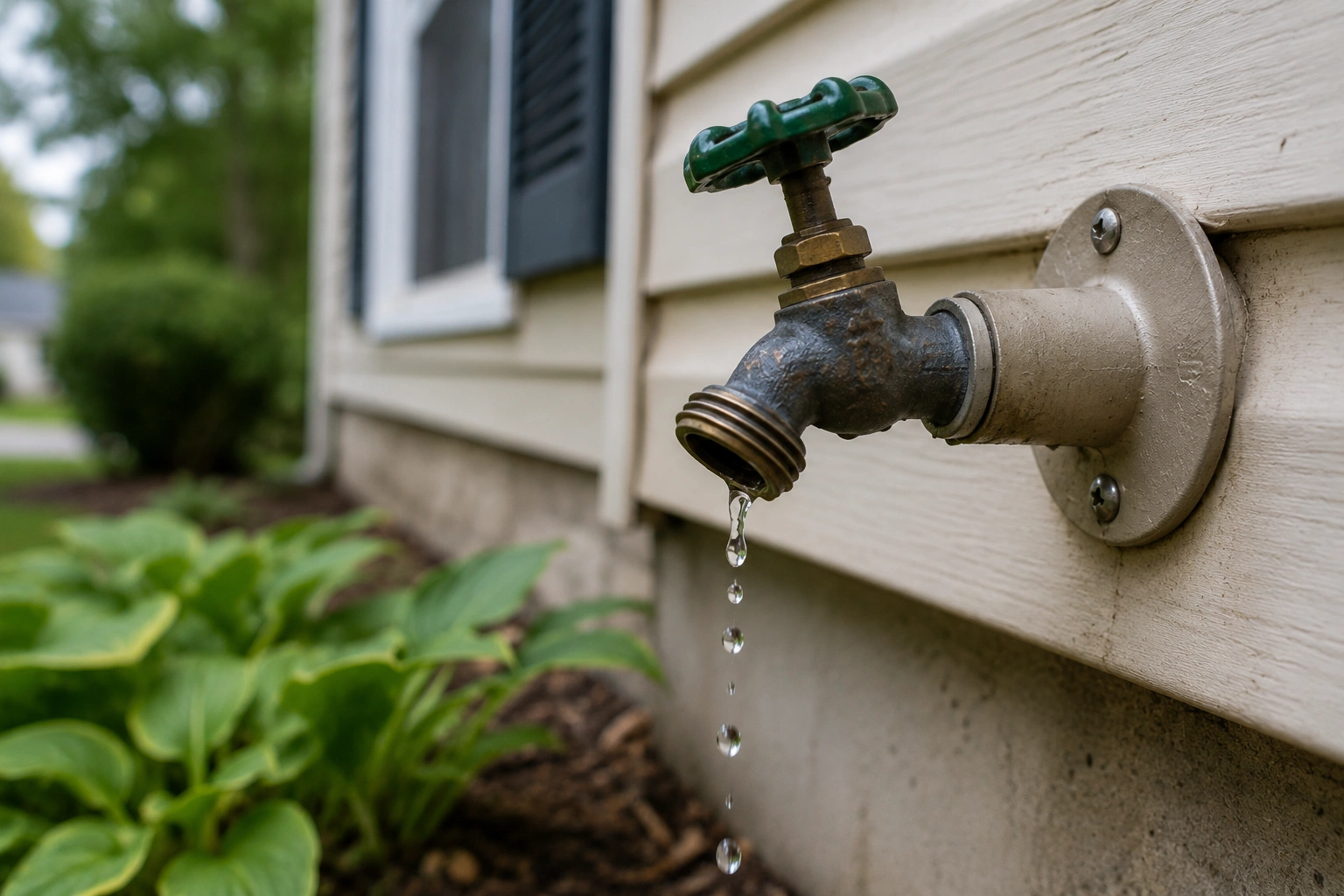
Picture this: you're getting ready to water your garden on a beautiful Massachusetts morning, and you notice a steady drip coming from your outdoor spigot. What started as an occasional drop has now become a constant leak, and you're wondering whether this is something you can fix yourself or if it's time to call in the professionals.
At Jeneral Plumbing, we see this exact scenario play out dozens of times each month across Hudson and the surrounding MetroWest area. Just last week, our technician to a service call where a homeowner was dealing with precisely this issue – a leaking frost-free sillcock that seemed simple on the surface but revealed some important lessons about outdoor plumbing maintenance.
Understanding the Frost-Free Sillcock System
Before diving into what goes wrong, let's understand what we're working with. Most homes in Massachusetts are equipped with frost-free sillcocks (also called hose bibs or outdoor spigots) rather than the older-style compression faucets. These ingenious devices are designed to prevent freezing by shutting off water flow several inches inside your home's heated space, rather than right at the outdoor handle.
The typical frost-free sillcock consists of several key components: the valve body that extends into your home, a long stem that connects the outdoor handle to the indoor shut-off point, packing around the stem to prevent leaks, and crucially – a vacuum breaker assembly at the spout end.
This vacuum breaker is where our story gets interesting, and where most homeowners encounter problems.
The Root Causes: Why Outdoor Spigots Start Leaking
1. Vacuum Breaker Component Failure
The most common culprit behind outdoor spigot leaks is a failed component within the vacuum breaker assembly. This small but critical device prevents contaminated water from being siphoned back into your home's drinking water supply – a serious health concern that the EPA addresses in their drinking water standards and regulations (epa.gov/dwstandardsregulations).
Inside the vacuum breaker, you'll find a small rubber washer or O-ring that creates the seal. Over time, this rubber component deteriorates due to:
Temperature fluctuations (especially harsh Massachusetts winters)
UV exposure from sunlight
Chemical breakdown from treated municipal water
Physical wear from regular use
When Our technician the Hudson homeowner's leak, he found exactly this issue – a ripped washer within the vacuum breaker that was allowing water to escape.
2. Stem Packing Deterioration
The second most common cause involves the packing around the valve stem. This material, typically made of rubber or fiber, creates a watertight seal where the operating stem passes through the valve body. When this packing fails, water leaks out around the handle area rather than at the spout.
3. Seat and Washer Wear
Inside the valve mechanism, a rubber washer presses against a metal seat to stop water flow. If either component becomes worn, pitted, or damaged, water will continue flowing even when the handle is fully closed.
4. Freeze Damage
Despite their frost-free design, these valves can still suffer freeze damage if water remains in the valve body or if a hose is left connected during freezing weather. Massachusetts homeowners are particularly susceptible to this issue during our unpredictable spring and fall weather patterns.
Warning Signs: Catching Problems Early
Recognizing the early warning signs can save you money and prevent water waste:
Visible Dripping: The most obvious sign, but don't ignore even occasional drops. According to the EPA, a single dripping faucet can waste over 3,000 gallons per year.
Difficulty Operating the Handle: If your spigot handle becomes hard to turn or feels loose, internal components may be wearing out.
Water Flow Issues: Reduced water pressure or irregular flow patterns often indicate internal blockages or component failures.
Handle Area Moisture: Water appearing around the handle (rather than the spout) suggests stem packing problems.
Rust or Corrosion: Visible deterioration around the valve body or mounting hardware indicates moisture intrusion and potential internal damage.
Seasonal Performance Changes: If your spigot works fine in summer but develops problems after winter, freeze damage may be occurring.
Prevention: Protecting Your Investment
Seasonal Maintenance
Fall Preparation: Before temperatures drop below 32°F, disconnect all hoses and drain any remaining water from the line. Even frost-free valves can freeze if hoses remain connected.
Spring Inspection: Check for leaks, test operation, and look for any winter damage before the heavy-use season begins.
Regular Component Checks
Inspect the vacuum breaker assembly annually. These components typically cost under $20 to replace but can prevent hundreds of dollars in water waste and potential property damage.
Water Quality Considerations
The CDC notes that properly maintained water systems reduce waterborne illness by up to 90%. Your outdoor spigot's vacuum breaker plays a crucial role in this protection by preventing backflow contamination.
Professional Maintenance
Consider having your outdoor plumbing inspected as part of an annual maintenance routine. A qualified technician can spot developing issues before they become costly problems.
DIY vs. Professional Repair: Making the Right Choice
When DIY Makes Sense
Simple vacuum breaker replacement is within most homeowners' capabilities. If you're handy with basic tools and the problem is clearly isolated to the breaker assembly, a $15-20 repair kit and 30 minutes of work might solve your issue.
When to Call a Professional
Internal Valve Problems: If the issue involves the valve seat, stem, or internal components, professional repair ensures proper diagnosis and prevents damage to your home's plumbing system.
Multiple Symptoms: When you're seeing combinations of problems – leaking, poor pressure, and operational difficulties – a comprehensive diagnosis is worth the investment.
Uncertainty About Water Safety: Given the vacuum breaker's role in protecting your drinking water supply, any doubt about proper installation or function warrants professional attention.
Recurring Issues: If you've attempted repairs that haven't lasted, there may be underlying problems requiring professional assessment.
The True Cost of Delayed Action
Water waste from a leaking outdoor spigot might seem minimal, but the numbers add up quickly. A moderate leak can waste 10-15 gallons per day, costing Hudson homeowners $50-75 annually in water bills. More significantly, leaks near your home's foundation can cause structural issues costing thousands to remediate.
Your Next Steps
If you're dealing with a leaking outdoor spigot in Hudson or the surrounding MetroWest area, start with a visual inspection of the vacuum breaker assembly. Look for obvious damage, mineral buildup, or worn components. If the problem appears straightforward and you're comfortable with basic plumbing tasks, a vacuum breaker replacement kit might solve your issue.
However, if you're seeing multiple symptoms, dealing with recurring problems, or simply want the peace of mind that comes with professional diagnosis and repair, Jeneral Plumbing is here to help. Our experienced technicians carry the tools and replacement parts needed to diagnose and fix outdoor spigot issues on the spot, saving you multiple trips to the hardware store and ensuring the job is done right the first time.
Don't let a simple leak turn into a costly problem. Contact Jeneral Plumbing today for fast, reliable outdoor plumbing repair throughout Hudson, MA and the surrounding communities. We'll help you get back to enjoying your outdoor space without worrying about wasted water or potential property damage.
Need Help? Contact Jeneral Plumbing at (978) 392-7789 or visit jeneral-plumbing.com
Written by Jeneral Plumbing.
This article was drafted with AI writing tools from Jeneral Plumbing job notes and source materials, then edited before publication. AI tools did not inspect the job or validate technical conclusions.
Last updated .