

Heating system maintenance in Lowell, MA should make winter comfort more predictable without turning every loose handle or odd sound into a major repair. A good visit separates low-cost upkeep from defects that need testing, then gives you a clear scope before any work begins. That is the point of this guide: know what to watch, what not to force, and when a small symptom deserves a closer look.
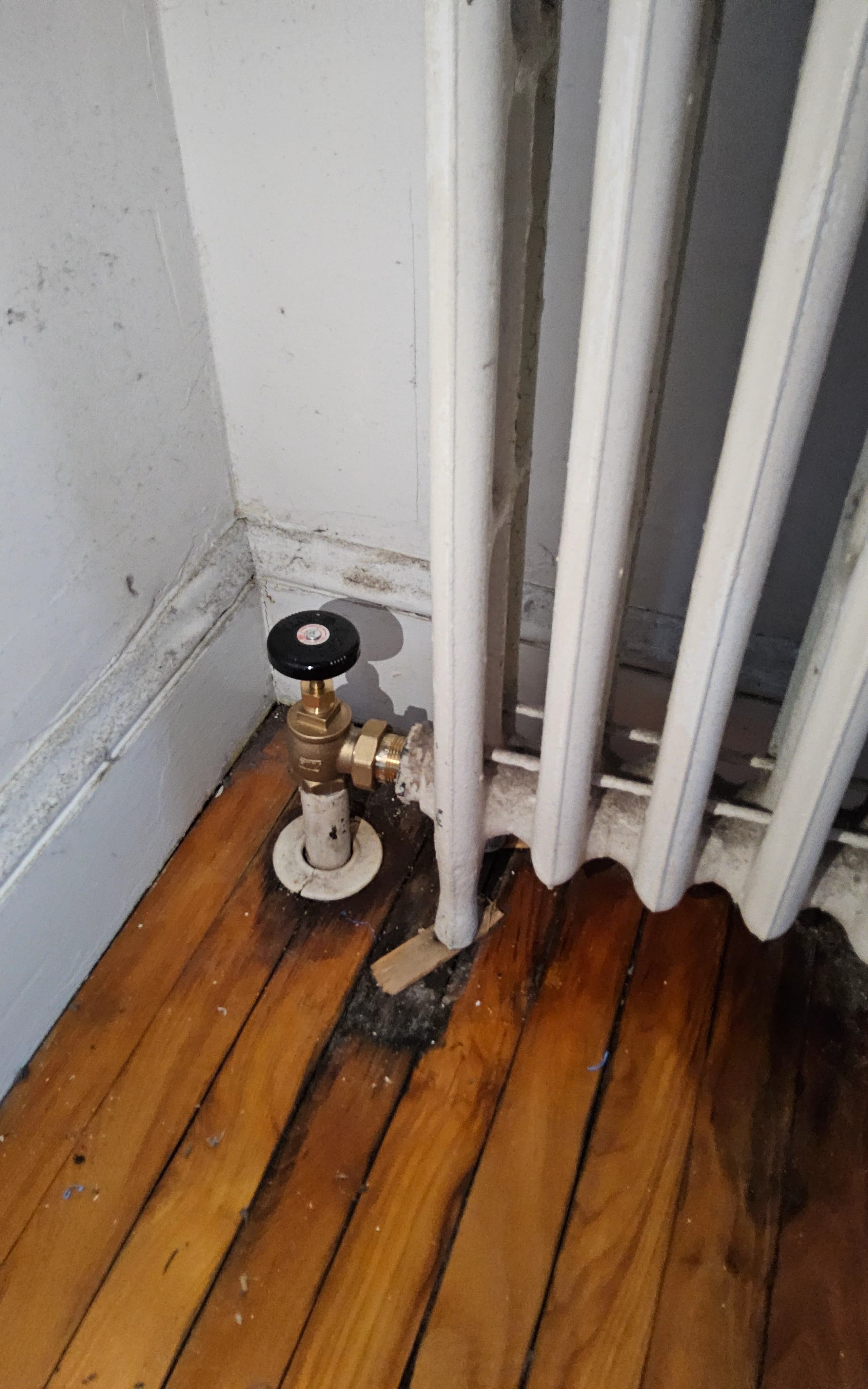
The Lowell visit behind this guide included three missing radiator handles, one seized radiator valve, another valve that moved and showed leakage, and a gurgling washing-machine drain. Those observations do not prove that another home has the same faults, but they show why heating and plumbing should be reviewed as connected parts of Whole Home Health. From my base in Westford, MA, I handle the field work for Jeneral Plumbing in Lowell, Chelmsford, Acton, Littleton, Groton, and nearby communities across Middlesex & Worcester County and southern New Hampshire.
10 Homeowner Questions About Heating Maintenance
These answers are an educational resource, not a diagnosis for equipment I have not inspected. Maintenance work must follow the installed boiler, controls, distribution system, manufacturer instructions, and conditions found in the home.
Q1: What should heating system maintenance include?
Heating system maintenance should start with the system you own, the symptoms you have noticed, and the service history you can document. I review accessible boiler components, operating controls, visible piping, circulators or zone components where installed, radiators or baseboards, and the pressure and temperature information that applies to the equipment. Fuel-burning equipment can also require model-specific venting, combustion, condensate, ignition, and safety-control checks that do not belong on a generic do-it-yourself list.
- Listen first: note when banging, gurgling, short cycling, or uneven heat occurs
- Follow the distribution: compare the boiler call with the radiators, baseboards, zones, and accessible piping
- Look for water: inspect dry, visible areas around valves, pumps, fittings, the boiler, and nearby plumbing without touching hot components
- Preserve evidence: photograph a code, gauge, leak location, or control status instead of repeatedly resetting the equipment
The broader heating-system service scope explains how controls, circulation, and connected emitters fit together. When a leak, shutdown, pressure concern, or cold radiator is already present, boiler diagnosis and repair should identify the cause before anyone assumes maintenance alone will correct it.
Q2: What belongs on the honest $1.50 fix list?
On the documented Lowell visit, three radiator valves were missing their handles — one in the kitchen and two in bedrooms — and a compatible replacement handle may retail for about $1 to $1.50, so the plastic or metal handle itself is not an expensive part. The honest answer is that a low-cost handle can restore normal hand operation only when the stem, fastener, valve body, packing, and connection are otherwise sound.
A handle is not a valve repair, and radiator handles are not universally interchangeable, so match the stem and screw, keep the boiler off and allow the radiator to cool, never turn a bare stem with pliers, and stop if the stem will not move with light hand pressure after the correct handle is fitted. If water appears at the packing nut, union, threads, or valve body, leave the valve alone and arrange an assessment rather than trying to tighten a hot or corroded assembly.
Q3: Why do radiator valves leak, shake, or seize?
Radiator-valve leakage can begin at the stem packing, union, threaded connection, valve body, or nearby piping, while movement can come from a loose connection, flow condition, or another system-specific cause; a seized valve can involve corrosion, deposits, internal damage, or long periods without operation, but appearance alone does not establish which cause applies. Diagnosis should identify both the leak point and the type of heating system before a repair is proposed.
Do not wait beside a hot radiator hoping an active drip will seal itself, and do not force the valve to test it. Steam, hot water, and metal surfaces can burn you, and extra torque can turn a limited defect into a broken body or damaged pipe. For visible leakage beyond the radiator assembly, the pipe-leak repair process shows why I trace the source before writing a flat-rate repair scope.
Q4: How does maintenance differ for steam and hot-water radiators?
Steam and hot-water radiators may look similar, but they move heat differently and should not share one generic valve checklist. Steam carries vapor to the radiator and returns condensate, while a hydronic system circulates heated water through radiators, baseboards, or other emitters. Maintenance must first identify which distribution system is present because its valves, vents, pressure conditions, controls, and safe service steps differ.
- One-pipe steam: the radiator supply valve is generally intended to be fully open or fully closed rather than used to throttle heat; the air vent and system balance affect how steam enters
- Two-pipe steam: supply and return components have different jobs, and the exact trap, valve, and vent arrangement needs system-specific evaluation
- Hot-water radiators: circulating water may be managed by manual radiator valves, thermostatic radiator valves, zone valves, circulators, or a combination chosen for that system
- Boiler-side checks: steam low-water controls and sight-glass conditions, where installed, are different from hydronic pressure, expansion, air-removal, and circulation checks
Do not bleed a radiator, operate a low-water control, or change boiler pressure from a general online checklist. I follow the exact equipment instructions and test the connected system, because a cold emitter can come from a local valve or from a wider control, circulation, venting, pressure, or boiler problem.
Q5: Does a gurgling washing-machine drain mean the vent is wrong?
No — gurgling can be evidence of air movement or a drainage problem, but it does not prove that the vent is missing or that one particular fitting will solve it. A restriction, trap condition, pitch problem, connection defect, standpipe configuration, shared-drain behavior, or venting issue can produce overlapping symptoms, so a maintenance visit should not turn one sound into a remote plumbing verdict.
In one documented visit, the drain was described as an inch-and-a-half line and the sound was attributed to a trap-to-vent distance, but a reliable recommendation needs the actual pipe size, slope, developed length, appliance requirements, fittings, access, and current Massachusetts code conditions verified on site. An air-admittance valve is not an automatic answer; whether one is permitted and suitable depends on the exact installation and required access. Jeneral Plumbing does not provide drain cleaning, snaking, hydro jetting, sewer-main clearing, or septic work, but I can evaluate confirmed damaged or leaking accessible piping within the drain-piping repair scope and refer cleaning or sewer work honestly.
Q6: Which heating checks are safe for a homeowner?
Safe homeowner checks are observations made from a dry, stable location without removing a cover or touching hot, wet, gas, electrical, or moving components. Record thermostat mode and setpoint, visible display codes, which rooms or zones are affected, when a noise begins, and whether water is visible around accessible piping. Check that smoke and carbon-monoxide alarms are present and tested according to their manufacturer instructions, but never use an alarm as permission to remain near a suspected combustion problem.
- Use normal controls only: no jumped wires, open panels, bypassed safeties, or repeated boiler resets
- Keep hands off hot equipment: no temperature checks by touch or work on a warm radiator valve
- Do not add water blindly: repeated filling can hide leakage and introduce fresh water without correcting the pressure problem
- Photograph the evidence: preserve a visible code, gauge, wet area, or control position for diagnosis
- Stop at resistance: never force a stuck handle, valve, fastener, or shutoff
Leave the building and call 911 from outside for fire, smoke, a sounding carbon-monoxide alarm, or suspected exposure symptoms. For a gas odor or suspected fuel leak, also call the applicable gas utility or propane provider from outside and stay out until officials say it is safe to return.
Q7: What belongs on a fall heating and plumbing checklist?
A fall checklist should catch visible changes before sustained cold weather while leaving combustion, electrical, pressure, and internal boiler work to qualified service. A maintenance visit is most useful when you bring notes about last winter's cold rooms, new noises, reset history, leaks, and past invoices, and I use that history to focus the visit instead of treating every home as though it has the same boiler and piping.
- Confirm thermostat schedules, modes, setpoints, and battery status where that model uses replaceable batteries
- Make sure radiators and baseboards are not blocked by stored items, furniture, or heavy curtains
- Look for new staining, corrosion, drips, or relief discharge around accessible heating and plumbing components
- Check accessible radiator handles for a compatible fit without forcing the valve stem
- Note boiler codes, unusual cycling, pressure changes, or rooms that warm differently from last season
- Inspect exposed plumbing in cooler areas for damage, missing insulation, or prior freeze evidence without assuming insulation alone prevents freezing
- Review the water heater for visible leakage, corrosion, unusual sounds, or a change in hot-water delivery
- Test smoke and carbon-monoxide alarms under their manufacturer instructions and replace expired devices as directed
The water-heating service scope can be reviewed alongside the boiler when a fall concern includes hot-water performance. For regular-hours maintenance, the visit has an $80 dispatch fee — the cost of the visit, waived when you hire us for the work. Any repair or installation work is priced at a flat rate, and I disclose the total price and applicable fees for your approval before work begins.
Q8: How often should heating system maintenance be scheduled?
Most residential boilers benefit from professional service once each year, while the manufacturer instructions, fuel type, age, use, service history, and current condition determine the exact tasks and whether another interval applies. Maintenance is often planned before the heating season so there is time to address a documented finding, but a new leak, shutdown, safety concern, or performance change should not wait for a calendar reminder. Maintenance reduces uncertainty; it cannot guarantee that a component will not fail later.
Between visits, keep a short log of codes, pressure readings you can view without touching equipment, affected rooms, and the timing of noises or leaks. If you prefer a defined annual inspection and other published benefits, compare the exact inclusions of Jeneral Plumbing's Home Essentials and Home Guardian service plans rather than assuming every plan covers every repair.
Q9: When is a maintenance concern urgent rather than routine?
A gas odor, sounding carbon-monoxide alarm, smoke, flame outside the intended combustion area, or suspected exposure symptoms is a leave-now condition, not a maintenance appointment. Active water near electrical equipment, uncontrolled leakage, escaping steam, or a rapidly changing condition also deserves immediate safety action without touching the equipment. Maintenance cannot safely begin until officials or the appropriate utility have cleared any fuel, fire, or carbon-monoxide concern.
A missing cool radiator handle with no leakage may be scheduled, while a valve that is actively leaking, moving at its connection, or too hot to approach should be left alone. Loss of heat during freezing weather can also put occupants and plumbing at risk, so call to describe the conditions and confirm availability rather than relying on an exact arrival-time promise.
Q10: What should an honest maintenance visit produce?
An honest visit should leave you with a documented finding, not a list of parts chosen from symptoms alone. I explain what I observed, what I tested, what remains uncertain, which low-cost items you can handle safely, and which defects need a written repair scope. That means I can tell you when the problem is a roughly $1.50 compatible handle and when the valve, piping, control, or boiler needs real diagnosis.
I handle Jeneral Plumbing's plumbing and heating field work myself, so the person who inspects the symptom is the person who explains the next step. Jeneral Plumbing is owner-operated by a Licensed Master Plumber (MA #9628831-PL-M), and the goal is straightforward: fix the cause, not only the symptoms, without overselling what one Lowell case can prove about your home.
Schedule Heating System Maintenance in Lowell
A maintenance visit should give you a safer fall checklist, a clearer picture of the boiler and connected plumbing, and an honest line between inexpensive upkeep and repair. If you have radiator leaks, uneven heat, drainage sounds, or a service history that needs review, call Jeneral Plumbing at (978) 392-7789 to schedule. I will confirm the scope by phone, inspect the conditions on site, and explain the flat-rate options before approved work begins.
Written by Jeneral Plumbing.
This article was drafted with AI writing tools and edited before publication. AI tools did not inspect any job or validate technical conclusions.
Last updated .