
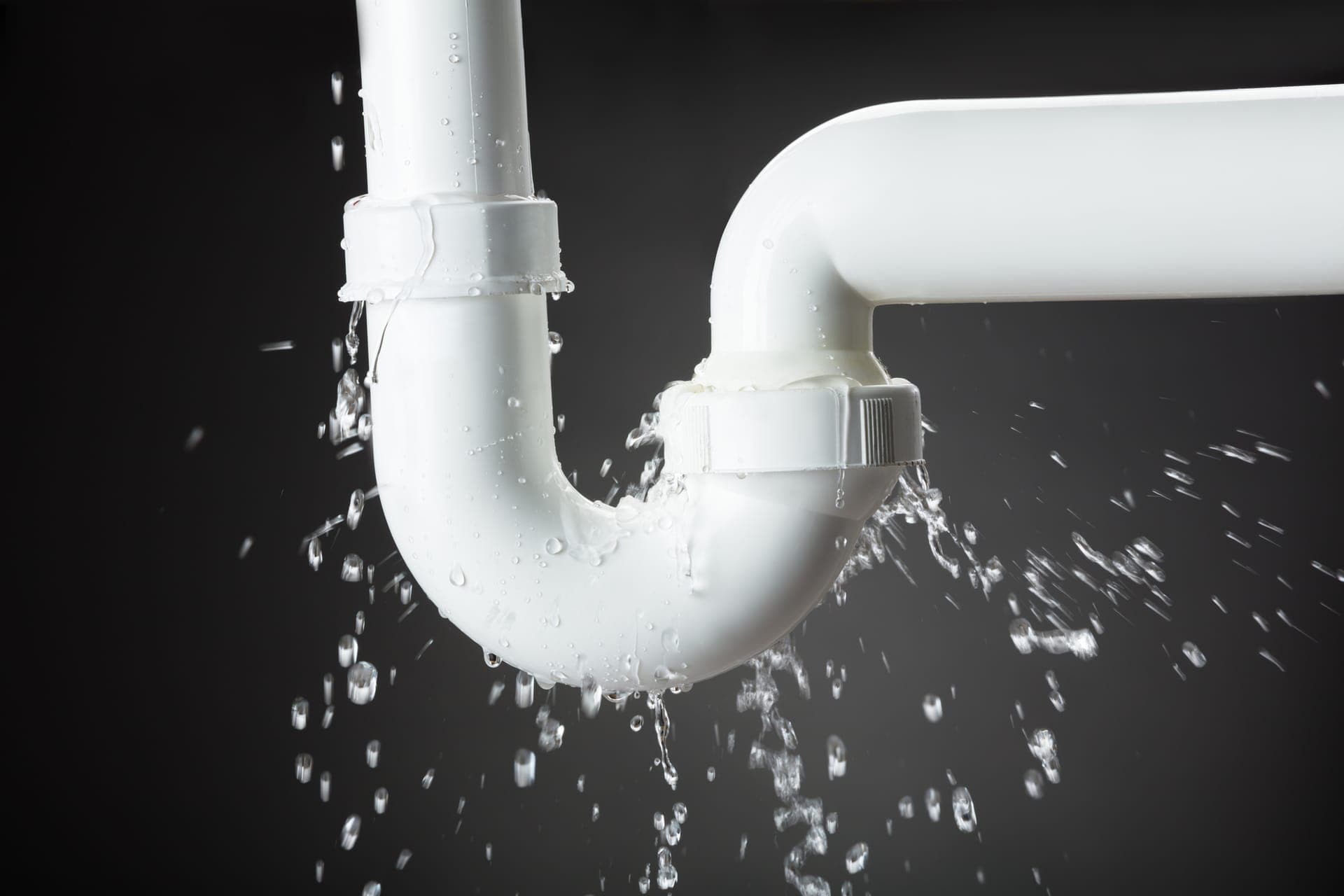
Water pools around the basement floor drain after someone upstairs showers. The kitchen sink gurgles when a toilet flushes. The water bill jumps and nobody can say why. All three are plumbing problems, but they start in different parts of the house, and the first useful step is working out which part.
Start by separating the supply piping from the drain piping. Supply piping brings water in under pressure from a street main or a private well. Drain piping carries used water out, through traps and branch drains to the building drain and on to the sewer or septic system. A supply leak may continue when nobody is using water; a drain leak often appears when a fixture empties. That distinction helps us decide what to check first.
Start with the pattern
On the drain side, the number of fixtures involved helps narrow the investigation. Picture the drains as small streams feeding one river. A blockage in a shared line can affect several connected fixtures, often showing first at the lowest drain in the house, such as a basement floor drain or a first-floor tub.
Gurgling can accompany a partial blockage or a venting problem. A sewage smell can come from a dried-out trap, a leaking connection, or a venting or sewer condition. Neither symptom pinpoints the problem, but both are worth describing when you call.
| What you notice | What it often points to | Sensible first step |
|---|---|---|
| One sink, tub or shower drains slowly or keeps clogging | A restriction or failing part in that fixture's trap or branch | Stop using it and note how often it comes back |
| Several fixtures back up or gurgle together | A shared branch, the building drain or the sewer line | Stop running water anywhere in the house |
| Water appears only while a fixture drains | A leak on the drain side | Stop using that fixture and note which one |
| Moisture, or a moving water meter, with every fixture off | A leak on the pressurized supply side | Rule out a running toilet, then call |
Signs of a main sewer line clog
Several fixtures backing up at once, wastewater rising at the lowest drain when an upstairs fixture runs, and toilets gurgling while other fixtures drain can point to a shared downstream problem. The pattern helps narrow the area to investigate; it cannot locate the obstruction or prove what caused it. Grease, roots and damaged piping can produce similar symptoms. A drain specialist decides what clearing or inspection is needed to establish the cause.
If that's what you're seeing, stop putting water down any drain and keep everyone away from the backup. A drain-cleaning or sewer contractor can assess the obstruction and choose suitable equipment; blocked or dirty sections may need clearing before their condition can be seen. Jeneral Plumbing doesn't offer drain cleaning, snaking, hydro jetting, sewer-main repair or septic service, and we'll say so before anything is scheduled. We wrote up one of these calls, a building-main drain blockage at a Westford property, where the right call was a drain-cleaning company.
When a sewer camera inspection is worth paying for
A camera inspection can help document visible roots, damaged joints and other conditions in sections the camera can reach. It cannot establish the condition of every buried surface or see through an obstruction. Ask a sewer specialist whether an inspection would help when clogs keep returning, or when you want the line's condition documented before buying a home. Ask what preparation is needed, which sections can be inspected, whether you receive the footage and what the quoted price includes.
The accessible pipe repairs we handle
We inspect accessible piping for confirmed damage. Our accessible drain line repair service covers leaking or damaged fixture connections, traps, trap arms, branch drains and accessible sections of the building drain, including corroded or cracked cast-iron and galvanized sections. We inspect first, reproduce the symptom when conditions allow, and put the affected section, access, materials and testing method in a written scope before approved work begins. If a specialist clears a line and a damaged accessible section remains, we can assess that repair separately.
Supply lines: the pressurized side
A supply leak can show up as a water meter that moves while every fixture is off, a bill that climbed without explanation, a drop in pressure, a damp patch that never dries, or the sound of running water behind a quiet wall. EPA WaterSense's leak guidance uses the meter as a check while no water is in use; a running toilet can move it too, so rule that out first. Our water line leak repair service covers tracing that evidence and repairing confirmed leaks in accessible copper, PEX and CPVC piping.
For a leak between the street and your home, ask the local water department where its responsibility ends and yours begins before assuming who must arrange or pay for the repair. On a private well, the supply starts at the well instead of a street main. Accessible indoor leak repair fits our scope either way, while well-pump and pressure-tank work goes to a well contractor.
When it can't wait
If a supply line is releasing water you can't stop at a fixture valve, close the main shutoff from a dry spot and stay away from water near outlets, panels or other electrical equipment. Our emergency plumbing guidance covers those first steps. We take emergency calls 24/7, and arrival windows are confirmed by phone. Off-hours, Sunday and holiday dispatch carries a separate $599 emergency callout fee, collected prior to dispatch; it is non-refundable and non-negotiable, covers the dispatch only and is never applied to repair work. For a sewage backup, a drain-cleaning company is usually the right first call.
Getting the right help
Jeneral Plumbing is family-owned, based in Westford, MA, and owner-operated by a Licensed Master Plumber (MA #9628831-PL-M). We serve homes within 20 miles across Middlesex & Worcester County and southern New Hampshire; the service-area directory lists the 26 towns, and we confirm the address, the work and availability before booking. During regular hours, a visit carries an $80 dispatch fee — the cost of the visit, waived when you hire us for the work.
Call (978) 392-7789 and tell us what changed, which fixtures are affected and where the water shows up. If it sounds like a damaged pipe or a supply leak, we'll set up a visit. If it sounds like a clog in the main, we'll tell you which kind of specialist to call instead.
Written by Jeneral Plumbing.
This article was drafted with AI writing tools and edited before publication. AI tools did not inspect any job or validate technical conclusions.
Last updated .