

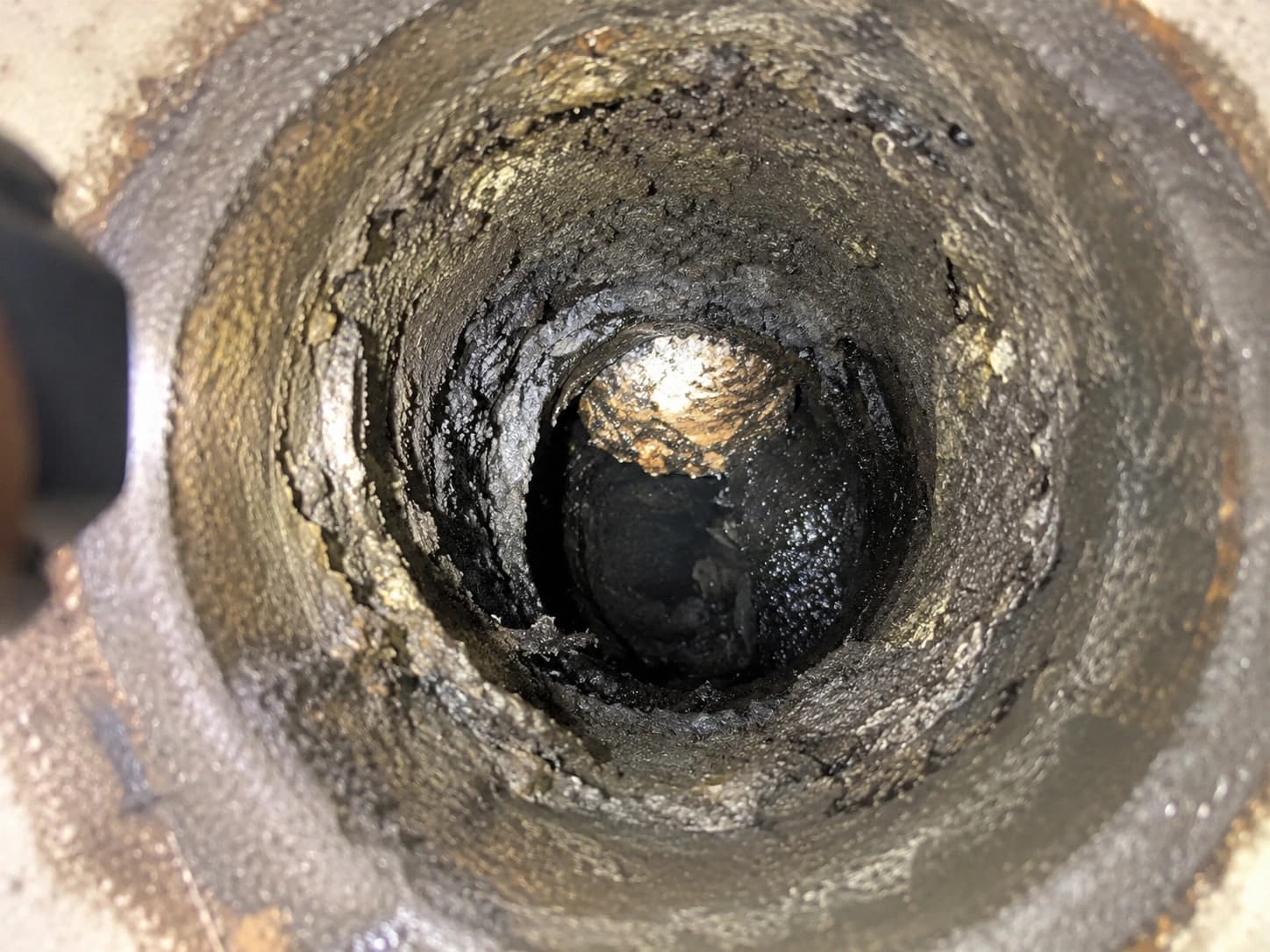
When several drains back up together, stop using drain-connected fixtures before more wastewater enters the system. Keep people and pets away from sewage, and do not step into water near electrical equipment. A suspected building main drain blockage is an urgent routing problem, but the symptom does not prove whether the restriction is in a shared branch, the building drain, a buried lateral, a sewer path, or a septic system.
Jeneral Plumbing repairs only a confirmed defect in accessible fixture connections, traps, trap arms, branch drains, reachable drain-and-vent connections, or accessible building-drain sections. I do not provide drain cleaning, snaking or cabling, augering, obstruction clearing, hydro jetting, sewer camera inspection, root work, sewer-main or lateral service, septic work, excavation, trenchless lining, or pipe bursting. Those are direct independent referrals, not Jeneral Plumbing services, even when the first report uses the phrase building main drain blockage.
Jeneral Plumbing is based in Westford, MA and is owner-operated by a Licensed Master Plumber (MA #9628831-PL-M) with 20+ years in the trade, including seven with a gas utility. I use the reported fixture pattern to identify whether a call may fit accessible drain-pipe repair or should go directly to an independent drain, sewer, or septic provider. A building main drain blockage report is not permission to sell cleaning or buried-line work that I do not perform.
Building Main Drain Blockage Signs Are Routing Clues
A possible building main drain blockage often becomes noticeable when several fixtures change at the same time. A lower-level toilet may bubble while an upper fixture drains, wastewater may rise at a floor drain, or more than one bathroom may stop accepting water. Those observations support concern about a shared downstream path. They do not identify the exact pipe, material, cause, ownership boundary, or repair method.
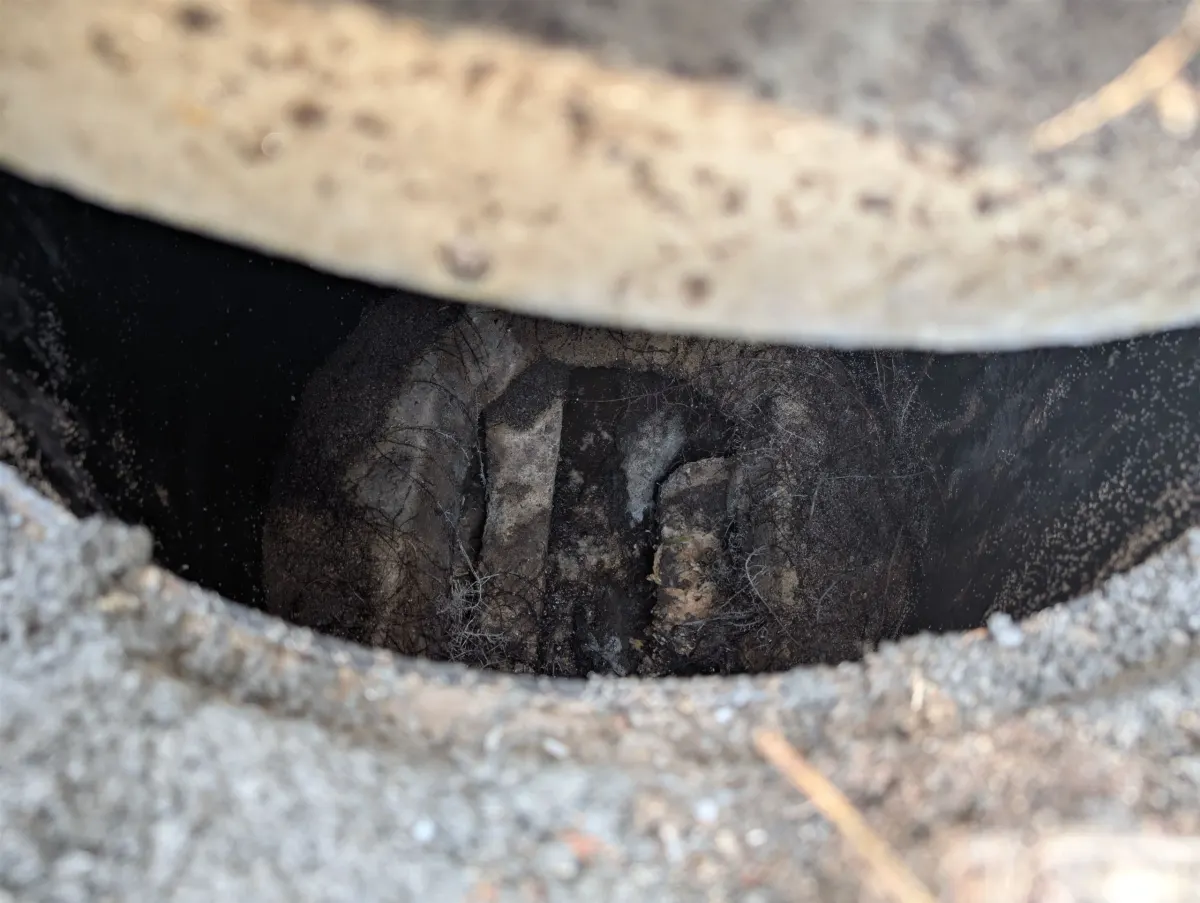
One slow sink or toilet is a different pattern. It may involve a fixture outlet, trap, trap arm, local obstruction, fixture hardware, or another nearby condition. If testing later confirms an isolated fixture defect rather than a shared blockage, the Westford fixture-repair scope may fit. Repeated flushing or running more water to compare fixtures can turn a contained symptom into an overflow.
A lower fixture receiving wastewater when an upper fixture runs is important information because it shows interaction along a shared drainage path. It still does not prove a building main drain blockage. The shared point could be within a branch, farther along the building drain, beyond the building, or associated with a septic system where one is present. The appropriate independent specialist determines the obstruction location and its own method.
Odor, gurgling, and slow drainage add history but do not complete the diagnosis. A dry trap, vent interaction, partial restriction, fixture condition, or downstream problem can produce overlapping reports. Property managers should record which fixtures changed, what use preceded the backup, and where wastewater appeared. They should not label the condition as roots, collapse, grease, wipes, or damaged pipe without evidence.
A Westford Multi-Fixture Report Without an Invented Outcome
One Westford call described three lower-level bathrooms backing up at the same time. That pattern was consistent with a shared downstream restriction and did not behave like three unrelated toilet clogs. It supported routing the suspected building main drain blockage to an independently hired drain or sewer provider. The report did not establish the exact point, material, cause, or required method.
Whether the line was cleared, what any camera inspection showed, and how that call ended are not described here. An independent provider controls its investigation and reports its own findings. A later accessible repair question must stand on those documented findings and what I can confirm directly.
This distinction reflects how Jeneral Plumbing works: the licensed master plumber who evaluates your home is the one who performs the work. I state when a suspected building main drain blockage falls outside my service before a visit is scheduled. Clear routing prevents an obstruction-clearing request from being represented as accessible drain repair. It also lets the property owner contact the appropriate independent provider directly.
What to Do When Several Drains Back Up
For a suspected building main drain blockage, stop using toilets, sinks, showers, tubs, dishwashers, washing machines, and other fixtures that add wastewater to the affected drainage system. Tell occupants and tenants not to “test” another fixture. In a multi-unit property, notify the owner or manager so water use can be coordinated without sending anyone into a contaminated area. Continued use above a restricted shared path can force wastewater into lower fixtures.
Keep people and pets away from wastewater. Avoid skin contact, do not handle contaminated items without suitable protection, and leave cleanup or restoration questions to the appropriate provider. If water is near a panel, outlet, appliance, extension cord, or other electrical equipment, do not enter the wet area or touch the equipment. Call 911 when there is an immediate threat to life or fire; drainage service does not replace emergency authorities.
Do not open an unfamiliar cleanout on a backed-up system, remove a toilet for access, dismantle piping, or force a cable into the line. A cap or fitting may release wastewater when opened. Do not add chemical drain products, and never mix products. If a chemical has already been used, record its name and time and tell the independently hired provider before anyone opens the system.
For a possible building main drain blockage, write down the affected fixtures, floor levels, order of events, prior drain work, and whether an upper fixture causes a lower one to react. Photograph visible overflow only from a safe, dry location. Standing wastewater cannot show where the restriction sits. Useful history helps the independent provider plan its work without turning the owner’s observations into a diagnosis.
Shared Branch, Building Drain, and Sewer Are Not Interchangeable
A fixture drain carries discharge from one fixture. Branch piping receives more than one fixture, while a building drain receives connected drainage before the waste path continues beyond the building. Property layouts, ownership boundaries, municipal connections, and septic arrangements vary. A building main drain blockage label used during a phone call cannot establish which defined section is involved.
With a suspected building main drain blockage, several fixtures changing together moves attention downstream from one fixture, but that is as far as the symptom alone can take the conclusion. An obstruction can exist without a broken pipe, and damaged piping can exist without causing the current backup. The order matters: required clearing or specialist investigation may need to occur before a separate accessible defect can be evaluated for repair.
Moisture that continues while every drain-connected fixture is off may follow a pressurized supply path rather than a drainage path. That pattern belongs with Westford pipe-leak diagnosis and repair, subject to safe access and confirmation. Water that appears only when a fixture drains supports a waste-side investigation. Neither timing pattern proves the precise failed component from a phone description.
A property served by a septic system needs the appropriate septic provider when evidence points to the tank, distribution, or other septic-system scope. A municipally connected property can still have building-drain, lateral, or public-side distinctions that require provider and authority coordination. Jeneral Plumbing does not provide septic or sewer service. The independent specialist must define its own scope for the suspected building main drain blockage.
What Accessible Drain Repair Means Here
Accessible drain repair begins with a confirmed physical defect in a reachable section of plumbing. Examples include a failed fixture-drain connection, leaking trap or trap arm, cracked fitting, separated joint, localized corroded branch, poor support, damaged transition, or defective accessible building-drain section. A building main drain blockage symptom by itself is not one of those confirmed defects.
After independent work on a building main drain blockage restores flow and documents a reachable damaged section, I review the report and inspect the accessible condition. I confirm material, location, connections, support, drainage direction, access limits, testing method, and any finish-work responsibility before proposing repair. I do not adopt another provider’s conclusion without comparing it with the physical condition I can see.
An approved accessible repair may replace a confirmed failed fitting or limited reachable pipe section with compatible materials and support. I test that repair under normal drainage when downstream conditions allow. The written scope identifies what was repaired and what was not. It does not claim that an entire building main drain blockage, sewer, root, or buried-line problem was corrected when only one accessible defect was addressed.
A fixture problem can remain separate from the shared drainage concern. A failed toilet connection, leaking trap, or damaged local fitting may need repair even when another provider handles obstruction clearing. The drain-repair boundary and the fixture scope prevent one approved job from silently expanding into excluded work. Each confirmed condition receives its own written scope.
When several confirmed accessible piping defects require coordinated support, connections, or layout, the work can be planned within licensed plumbing scope. It still cannot bundle cleaning, sewer camera inspection, roots, buried lateral work, excavation, hydro jetting, or trenchless methods. Those exclusions remain in place before, during, and after an accessible repair.
The Referral Work Stays Independent
Jeneral Plumbing does not provide drain cleaning, snaking or cabling, augering, obstruction clearing, hydro jetting, camera inspection, sewer-main or lateral service, root work, septic service, excavation, trenchless lining, or pipe bursting. I do not subcontract, dispatch, invoice, mark up, warranty, or present those services as Jeneral Plumbing work. A suspected building main drain blockage does not change that boundary.
The property owner chooses and hires the appropriate independent provider directly. A drain-cleaning provider handles obstruction clearing within its own scope. A drain or sewer contractor handles its own camera, root, buried-line, excavation, sewer, or trenchless work, and a septic provider handles septic-system work. Each provider is responsible for its availability, diagnosis, methods, commercial terms, warranty, and result.
Jeneral Plumbing does not quote, estimate, characterize, or compare the cost of any referral service because I do not sell that work or set another provider’s terms. The independent provider gives the owner its own written scope and commercial terms. I do not collect or mark up payment for excluded work. A later Jeneral Plumbing proposal can cover only a separately confirmed accessible repair.
For a reported building main drain blockage, I can identify the provider type suggested by the pattern, but that is routing guidance rather than a subcontract or guarantee. With no confirmed accessible leak, direct contact with the appropriate drain, sewer, or septic specialist avoids an unnecessary Jeneral Plumbing visit. If the specialist later reports an accessible defect, I decide independently whether it fits my license and service boundary.
How to Use an Independent Specialist’s Findings
An independent provider decides whether clearing, camera work, another access method, or a different specialist is appropriate. A camera is not automatically the first step for a suspected building main drain blockage. Opaque standing wastewater or an uncleared restriction may limit what can be seen. An image also does not automatically establish ownership, the condition of every pipe wall, the cause of every symptom, or a final repair design.
If the independent provider performs camera work, ask that provider for the video, access point, measured distance, observed pipe material, location information when appropriate, and a written explanation of what was visible and what remained unseen. Those are records from that provider, not a Jeneral Plumbing camera service. Do not remove a toilet or open a cleanout yourself to create access.
A report may describe an obstruction without identifying a damaged pipe. In that case, there may be no accessible drain repair for me to perform. A report may instead document a cracked fitting, separated joint, corroded reachable section, or failed transition. I compare that finding with accessible conditions before writing any repair proposal.
Root intrusion, a buried break, a sewer-lateral defect, or a proposed trenchless method remains with the independent drain or sewer contractor. Those findings do not become Jeneral Plumbing work because part of the path begins inside the building. For a building main drain blockage, the location and confirmed condition determine the provider; a phone label does not.
Urgent Routing in Westford Does Not Expand My Scope
Wastewater rising into occupied space is urgent because continued use can spread contamination and damage. Stop fixture use, keep people and pets away, and contact the appropriate independent drain, sewer, or septic provider. The Westford emergency-plumbing guidance explains general hazard and call routing, but it does not turn drain cleaning, a building main drain blockage, or sewer work into a Jeneral Plumbing service.
An urgent condition can include more than one problem. A pressurized pipe may be leaking while drains are also slow, a toilet connection may leak after an overflow, or wastewater may reach electrical equipment. The emergency-plumbing scope guide helps separate in-scope plumbing from fire, electrical, gas, drainage, sewer, septic, or mitigation responses. Availability for any Jeneral Plumbing visit is confirmed by phone, with no arrival-time promise.
Do not wait for a scheduled accessible-pipe visit while occupants continue using a system that is backing up. A suspected building main drain blockage belongs with the independent provider equipped and authorized for that referral work. Once the active restriction is handled, an accessible leak or pipe defect can be considered on its own evidence. The two scopes should not be combined for convenience.
Owner-Operated Drain-Repair Routing From Westford
From Westford, I discuss accessible drain-repair scope with property owners in Chelmsford, Acton, Littleton, Groton, Billerica, Pepperell, and other core communities across Middlesex & Worcester County and southern New Hampshire. Town and building age do not prove the pipe material or reason for a backup. The same building main drain blockage report can lead to different providers at different properties.
For a confirmed accessible defect, I present approved repair work at a flat rate, with the total and any applicable fees disclosed before work begins. I do not provide or price cleaning, camera, sewer, root, septic, excavation, hydro-jetting, or trenchless work. The independent provider contracts directly with the property owner for every excluded service.
Call (978) 392-7789 and describe which fixtures are affected, what other fixture use triggers the symptom, whether wastewater is rising, whether all water use has stopped, and whether accessible piping visibly leaks. I will state whether the report may fit a confirmed accessible repair or points directly to an independent specialist. A phone conversation about a building main drain blockage is routing guidance, not an on-site cleaning or sewer-service offer.
Building Main Drain Blockage Questions for Westford Owners
What should I do when several drains back up at once?
Stop using drain-connected fixtures and tell other occupants to stop adding wastewater. Keep people and pets away from sewage, and do not enter water near electrical equipment. Contact the appropriate independent drain, sewer, or septic provider for the shared downstream condition. Do not keep flushing, run more fixtures, open a cleanout, remove a toilet, or add chemicals to test a suspected building main drain blockage.
Do multiple backups prove the building main is blocked?
No. Several fixtures backing up together indicate a shared downstream path, but they do not prove the location, cause, ownership boundary, material, or method. The condition could involve a branch, building drain, buried lateral, sewer path, or septic system. A building main drain blockage remains a working description until the appropriate independent provider supplies evidence.
Does Jeneral Plumbing clear drains or perform camera inspections?
No. I do not provide drain cleaning, snaking or cabling, augering, obstruction clearing, hydro jetting, camera inspection, sewer service, root work, septic work, excavation, trenchless lining, or pipe bursting. The property owner chooses, hires, and contracts with the appropriate independent provider directly. Jeneral Plumbing does not subcontract, invoice, mark up, warranty, or price those services.
What counts as accessible drain repair?
Accessible drain repair addresses a confirmed defect in a reachable fixture connection, trap, trap arm, branch drain, drain-and-vent connection, or building-drain section. Examples include a failed joint, cracked fitting, localized corroded section, poor support, or damaged transition. I inspect the reachable condition and write a separate flat-rate scope before approved work begins. A building main drain blockage without a confirmed accessible defect is not an accessible repair.
Who handles sewer, root, excavation, or trenchless work?
An independently hired drain or sewer contractor handles its own sewer camera inspection, root work, buried-lateral evaluation, sewer repair, excavation, trenchless lining, or pipe bursting. A septic provider handles septic-system conditions. Jeneral Plumbing does not sell or manage those services, and this article does not quote their cost. A later confirmed accessible house-side defect is evaluated as a separate repair question.
When should I call Jeneral Plumbing about the drain?
Call when there is a confirmed or suspected accessible leak, failed connection, cracked fitting, corroded reachable section, poor support, or damaged transition. If several fixtures are actively backing up, stop water use and hire the appropriate independent clearing, sewer, or septic provider first. After that work, I can review documented findings and decide whether a separate accessible repair fits. Call (978) 392-7789 for routing when the boundary is unclear, but a building main drain blockage call does not become a cleaning service.
Written by Jeneral Plumbing.
This article was drafted with AI writing tools and edited before publication. AI tools did not inspect any job or validate technical conclusions.
Last updated .