

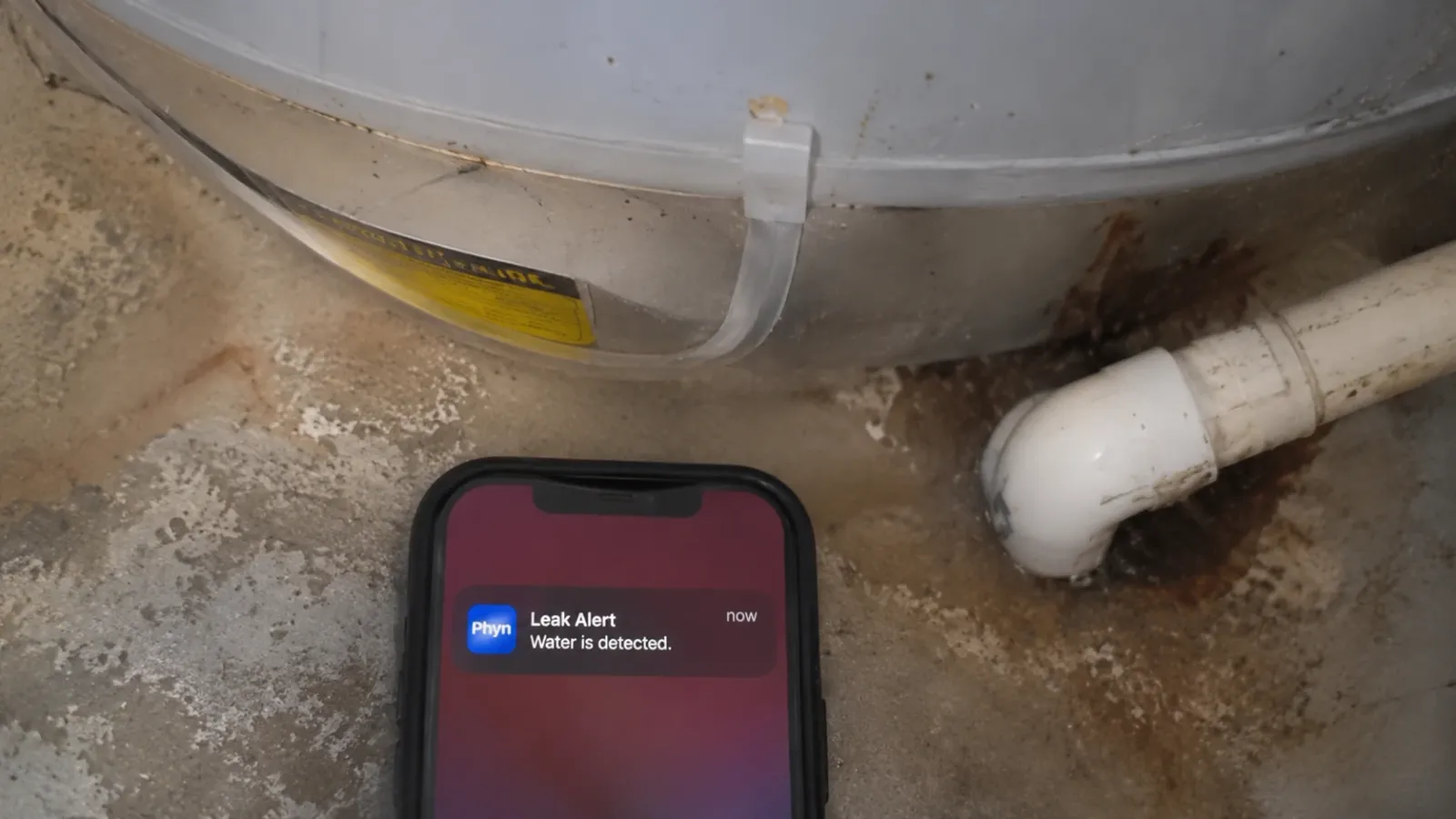
A smart leak detection system is one of the few plumbing upgrades that works quietly in the background year-round, but it becomes especially valuable heading into winter, when a frozen or burst pipe can dump gallons of water into a home before anyone notices. During a recent install, a Jeneral Plumbing technician walked through what goes into setting up a Phyn smart valve — and why homeowners tend to get excited once they see it running.
What the Install Actually Involves
Installing a smart shutoff valve isn't just mounting a device — it's a full plumbing job. In this case, the technician worked through the supply lines to tie in hot and cold water, using half-inch PEX couplings and half-inch PEX ball valves to connect the new valve into the existing system. Copper caps were used to close off lines no longer in service, and a T-fitting was added where a new branch needed to tie in.
Before any of that happens, a careful technician builds a stock list and traces existing copper piping to understand where every line goes. That groundwork matters: shutting down the wrong line, or missing a connection, can cause headaches well after the installer has left. This kind of tie-in work is the same category of plumbing covered under pipe leak repair — accurately identifying and connecting supply lines is foundational to any leak-prevention device working correctly.
Setting Up the Phyn Smart Valve
Once the valve itself — identifiable by its blue indicator light — is physically plumbed into place, the second half of the job is digital. The device needs a Wi-Fi connection to power up and register, after which the homeowner logs in through the companion app. From there, the app becomes the homeowner's window into their own plumbing: monitoring water flow and alerting them to irregularities that could indicate a leak.
This is the core appeal of a smart water shutoff valve. Rather than discovering a leak after it's caused damage, the system is designed to flag unusual water usage patterns so a small problem can be addressed before it becomes a big one.
Why This Matters Going Into Winter
Leak detection technology is useful any time of year, but it carries extra weight during the first hard freeze of the season, when pipes are most at risk of cracking or bursting. A smart valve won't prevent a pipe from freezing, but it can catch the resulting leak early — potentially limiting water damage while a homeowner arranges for a licensed plumber to make the repair. If you suspect a pipe has already frozen or burst, shut off the main water supply if it's safe to do so and contact a licensed plumbing professional rather than attempting repairs yourself; frozen pipes can fail suddenly and without warning, and burst pipes are both a water damage and safety hazard. Jeneral Plumbing answers emergency calls 24/7, and burst-pipe situations fall under our emergency plumbing services.
Scheduling an Install
Because a smart valve installation involves cutting into and modifying existing supply lines, it should be done by a licensed plumber familiar with your home's existing piping layout — not as a DIY project. For regular-hours visits, Jeneral Plumbing charges an $80 dispatch fee — the cost of the visit, waived when you hire us for the work.
This post is for informational purposes only and does not replace an in-person evaluation by a licensed plumber.
Ready to Add Leak Detection to Your Home?
If you're considering a Phyn smart valve or want to talk through your options for protecting your home against winter pipe failures, call Jeneral Plumbing at (978) 392-7789.
Written by Sierra Sorongon.
This article was drafted with AI writing tools and edited before publication. AI tools did not inspect any job or validate technical conclusions.
Last updated .